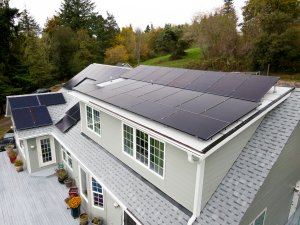
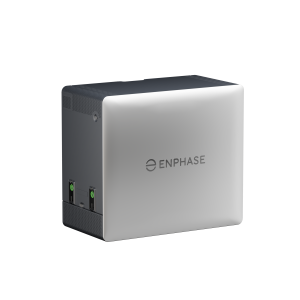
As homeowners increasingly embrace solar energy, incorporating battery storage into your solar system elevates the benefits while enhancing overall energy resilience. Energy storage solutions, such as solar batteries, allow you to harness the full potential of solar power, providing numerous advantages that cater to both daily energy needs and long-term savings.
Emergency Preparedness
Solar panels typically need to be connected to the grid to operate effectively. During a power outage, most solar systems are designed to shut down for safety reasons and to prevent back-feeding electricity into the grid, which can be dangerous for utility workers.
One of the most compelling reasons to invest in energy storage is the ability to maintain access to electricity during power outages. Major winter storms and potential earthquakes can disrupt electrical lines, leaving homeowners without access to electricity even if they have solar panels. By integrating a battery storage system with your solar panels, you can ensure that your home remains powered even when the grid is down. In Oregon, energy storage is especially crucial during the unpredictable winter months when power outages are more common. We also live in an area with seismic potential so energy storage makes even more sense if you want to be prepared if the big one hits.
Energy Arbitrage
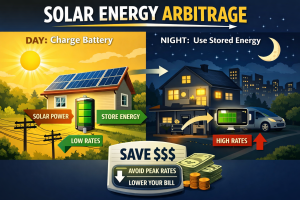
Energy storage also enables homeowners to engage in energy arbitrage. This strategy involves buying and storing electricity when prices are low, typically during the day when solar power is abundant, and using that stored energy during peak pricing times in the evening. By doing so, you can reduce your energy costs and maximize your investment. This financial flexibility is increasingly appealing as utility rates fluctuate and Time of Use pricing becomes more common.
Federal and Utility Incentives
The transition to solar energy and the adoption of energy storage are incentivized through various federal and utility programs. The federal Investment Tax Credit (ITC) offers substantial tax savings for solar installations, including battery systems. Furthermore, many utility companies provide additional cash incentives for homeowners who choose to add energy storage to their solar system. These incentives can significantly reduce the upfront cost, making energy storage more financially feasible.
Smart Grids
In Oregon, Portland General Electric (PGE) has initiated a Smart Battery Program, which encourages homeowners to adopt energy storage solutions. This program not only promotes the use of solar and storage but also supports the development of a smart grid as a pilot project. Smart grids enhance the efficiency and reliability of electricity delivery, enabling smoother integration of renewable energy sources and improving overall energy management.
As the energy landscape continues to evolve, the adoption of smart grids represents a significant advancement in how we produce, distribute, and consume electricity. Coupled with energy storage, smart grids allow for optimized energy usage and better responsiveness to grid demands. This integration ensures that renewable energy systems can operate effectively, providing both immediate savings and long-term resilience.
Conclusion
Adding energy storage to your solar system is not just an enhancement; it’s a smart investment in your home’s energy future. From ensuring preparedness during power outages to maximizing energy savings and leveraging federal and utility incentives, the benefits of energy storage are obvious. As our energy systems transition toward smarter and more sustainable technologies, now is the perfect time to explore how energy storage can elevate your emergency preparedness and overall savings.