A typical photovoltaic (PV) solar system is made of several key components that work together to convert sunlight into usable electricity. In this article, we’ll explore each major component, understand their roles, and see how they integrate to form a solar energy system.
Solar Panels
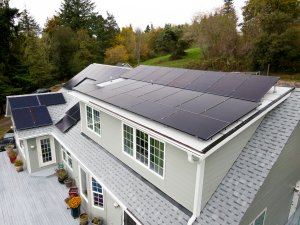
The central component of any solar system are solar panels, also known as photovoltaic modules. These panels consist of many solar cells typically made from silicon. When sunlight strikes these cells, it causes electrons to become excited, generating direct current (DC) electricity.
Key Features & Functions:
- Conversion of sunlight to electricity
- Power: Measured in wattage, the nameplate rating of a solar panel
- Efficiency: High-quality panels maximize power output
- Durability: Designed to withstand weather conditions like hail, wind, and rain

Inverters
Since the electricity generated by solar panels is DC, it needs to be converted into alternating current (AC), the form used by most household appliances and the electrical grid.
Main Types:
- String inverters: Connect multiple panels in series. Suitable for larger, uniform installations.
- Micro inverters: Small inverters connected to individual panels. These optimize performance per panel, especially beneficial when shading or conditions vary across panels.
Micro inverters are gaining popularity due to certain advantages:
- Individual panel optimization: If one panel underperforms (shading, wear), it doesn’t affect other panels.
- Increased energy harvest: Increases in total output.
- Panel level monitoring: Easier to pinpoint issues.
- Installation flexibility: Easier to add panels later.

Batteries
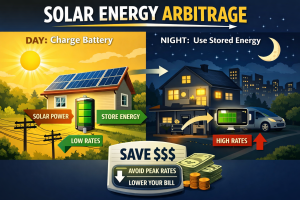
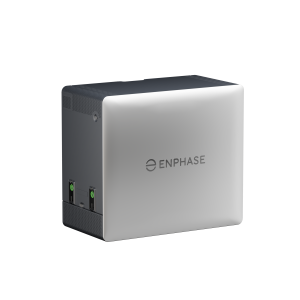
Batteries provide energy storage, allowing excess electricity generated during sunny periods to be saved for later use, like during nighttime or grid outages.
Features & Benefits:
- Energy independence: Reduced reliance on grid power.
- Load shifting: Use stored energy during peak utility rates.
Types:
- Lithium-ion (most common), lead-acid, and others.
- Considerations: Capacity, lifespan, cost, and safety.

Solar Racking
Solar racking systems are the structures that support and secure the panels on rooftops or ground mounts.
Important Features:
- Durability and corrosion resistance: Designed for longevity.
- Water tightness: Warranted against roof leaks.


Balance of Systems (BoS)
Beyond the main components, a solar PV system includes several auxiliary elements collectively known as the Balance of Systems.
Includes:
- Disconnect switches: Enable safe system maintenance.
- Wiring and conduit: Facilitate electrical connections.
- Fuses and circuit breakers: Protect against overloads.
- Monitoring systems: Track system performance, identify issues, and optimize operations.
How All Components Work Together
A solar PV system is a well-integrated network of components working in harmony to turn sunlight into clean, reliable electricity. From the photovoltaic panels capturing solar energy to micro inverters maximizing power extraction, batteries providing storage, support racking ensuring durability, and the various electrical parts safeguarding and monitoring the system, each plays a crucial role in delivering usable, renewable energy from the sun.
Feel free to reach out to us anytime with any questions at:
Call: 503-828-9500